Wellness travel for mental health recovery is a specialized travel intervention that utilizes nature-based retreats, meditation centers, and Neurowellness technology to treat burnout and depression. By removing digital triggers and implementing evidence-based rituals like forest bathing and neurofeedback, these journeys actively regulate the nervous system and restore long-term emotional and biological balance.
What is the Science of Wellness Travel?
Wellness travel for mental health recovery is a deliberate, therapeutic alternative to traditional leisure. It is categorized as Neurowellness a 2026 industry standard designed to stabilize the nervous system through structured environments that prioritize cognitive rest and psychological repair.
These stays occur in settings like silent meditation retreats, holistic spas, or nature-integrated lodges. Unlike standard holidays, the focus is on recovery through somatic movement, sound frequency therapy (specifically 432Hz for grounding or 528Hz for cellular repair), and supervised digital detox protocols.
By 2026, the sector has integrated biometric data tracking. Many retreats now use wearable technology to monitor Heart Rate Variability (HRV) and sleep architecture. This ensures that every activity is scientifically proven to lower stress markers in real-time.
Why is Wellness Travel Important in 2026?
We are currently navigating a global nervous system exhaustion crisis. The Global Wellness Institute (GWI) identified a Revenge of the Human trend in 2026, where people are revolting against high-tech stress. Standard time off fails because the traveler remains in a high-stimulation environment.
Stepping into a new landscape triggers neuroplasticity, the brain's ability to reorganize itself. Research from the University of South Australia confirms that mental health improvements from these retreats can last up to 45 days, acting as a critical non-drug intervention for managing chronic stress.
The 2026 Over-Optimization Backlash highlights a move away from performance wellness toward embodied care. Wellness retreats now serve as sanctuaries for Analog Living, providing the boundaries needed to disconnect from digital loops and reconnect with natural biological rhythms.
Read also: Wellness Travel Experiences Around The World: A Complete Guide
Key Benefits and Therapeutic Features
-
Cortisol Regulation: Immersing yourself in pine or eucalyptus forests reduces salivary cortisol within 48 hours. Field Note: I’ve found that the phytoncides (wood essential oils) in Oregon's forests trigger an immediate drop in shoulder tension that lasts for weeks.
-
Circadian Rhythm Reset: Using biological lighting and temperature-controlled rooms (set to 65°F/18°C), these retreats fix chronic insomnia. Tip: Focus on Sunlight Timing in the first 20 minutes of waking to lock in your reset.
-
Somatic Release: Practices like Fascia Release and Somatic Movement release stored trauma. It often feels like a physical weight being lifted from your chest after a targeted session.
-
Soft Networking: You aren't just a guest; you are part of a healing tribe. These social connections reduce the loneliness epidemic that fuels modern anxiety.
Real-World Examples: Where to Heal in 2026
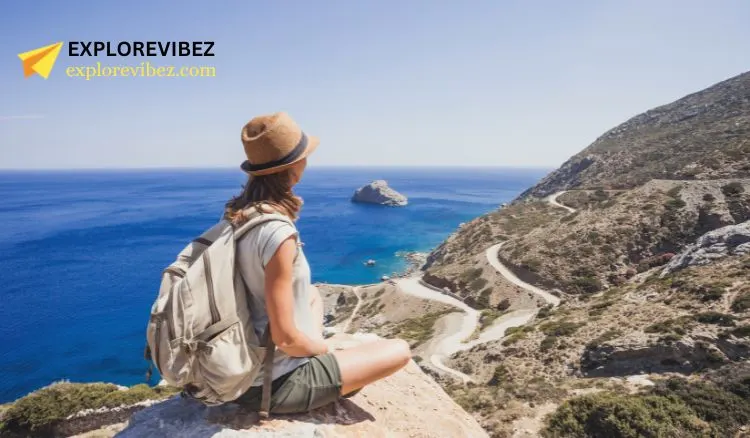
- Sedona, Arizona: Famous for energy vortexes. Stays like Sedona Mago offer Finding True Self retreats. Experience Insight: The red rock dust on your boots and the absolute desert silence at 4:00 AM create a grounding effect no city spa can replicate.
- Oregon Psilocybin Centers: Under Oregon Health Authority regulations, licensed centers provide supervised plant-medicine journeys that clinically improve symptoms of treatment-resistant depression.
- Hudson Valley, NY: Focuses on Farm-to-Brain nutrition. Research shows that a healthier gut directly improves brain chemistry. Lived Experience: Eating soil-grown organic produce here feels like clearing the fog from your mind.
- European Thermal Springs: Combining ancient hydrotherapy with modern neuro-mapping to flush out metabolic waste and treat clinical exhaustion.
Common Mistakes: Navigating the Re-entry Shock
A prevalent myth is that wellness travel is an exclusive luxury. In 2026, many community-funded programs offer accessible healing. However, the biggest mistake travelers make is returning to work too quickly.
The Re-entry Protocol:
- Build a Buffer: If possible, take one Integration Day at home before returning to the office.
- Maintain the Anchor: Use a 432Hz sound bath app during your first commute back to maintain your regulated state.
- Avoid Activity Stacking: Don't try to join every yoga session while on retreat. Breakthroughs happen in the "unscripted time" between classes.
Read also: Luxury Wellness Travel For Couples: Romantic Spa Retreats & Relaxation
2026 Comparison: Travel Types
| Feature | Traditional Vacation | Wellness Recovery Travel |
| Primary Goal | Entertainment / Distraction | Nervous System Regulation |
| Tech Usage | High (Social Media / Photos) | Low (Digital Detox / Wearables) |
| Biological Impact | Temporary Dopamine Spike | Sustained Cortisol Reduction |
| Duration of Benefit | 3–7 Days | Up to 45 Days |
FAQs
What are the best wellness trips for depression?
The most effective trips focus on nature immersion and social support. Licensed psilocybin retreats in Oregon or hiking-based retreats in Sedona are currently the gold standard for 2026.
How does wellness travel relieve stress?
It physically removes you from triggers and activates the parasympathetic nervous system. Rituals like forest bathing and neurofeedback tell your brain it is safe to shift out of high alert mode.
What is the difference between a spa and a wellness retreat?
A spa focuses on external aesthetics. A mental health wellness retreat focuses on internal psychology, nervous system regulation, and emotional tools, often led by licensed therapists.
Final Verdict
Wellness travel is no longer a luxury—it is a survival strategy. When life demands more than you can give, a dedicated "recovery leave" is the most productive investment you can make for your career and your family. Prioritizing your mental peace improves your resilience and physical longevity. Do not wait for a crisis; use travel as a strategic tool to stay grounded in an over-connected world.